Owning It: Why Serious Film Fans Are Ditching Streaming and Building Libraries That Actually Last
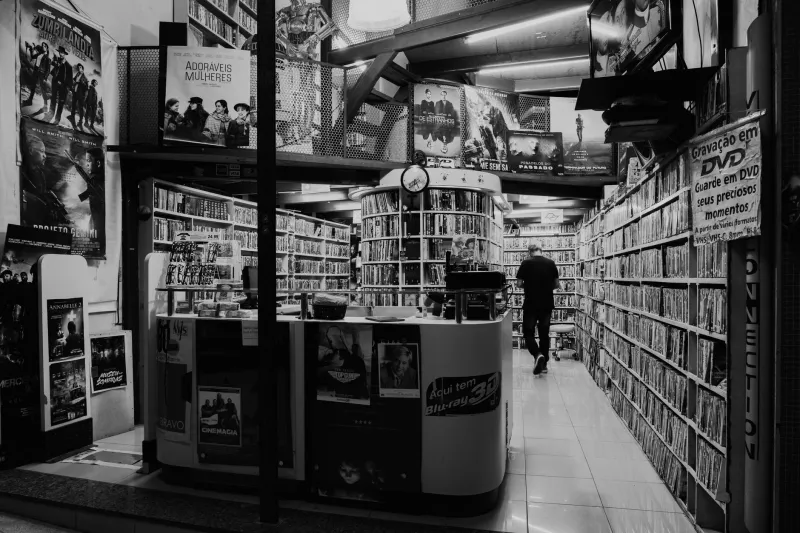
Something quietly shifted when HBO Max pulled a bunch of original movies off its platform without warning in 2023. No announcement, no sale window, no "hey, you watched this seventeen times, maybe grab a copy." Just gone. For a lot of casual viewers, it was a minor annoyance. For a certain type of film person, it was confirmation of something they'd already suspected: streaming is a rental service with a subscription fee, and renting forever is a bad deal.
That realization has been quietly fueling one of the more interesting counter-movements in entertainment culture right now — the return of the physical media collector. Not in a nostalgic, "things were better in the VHS era" kind of way, but in a deeply intentional, almost curatorial way. These aren't people who stumbled onto a shelf of old DVDs at Goodwill. These are folks building private libraries that rival what most streaming platforms can't even license.
The Streaming Trap Nobody Talks About
Here's the thing about streaming that rarely gets said plainly: you don't own anything. You're paying for access to a rotating catalog controlled by corporate licensing agreements, quarterly earnings targets, and content executives whose job is to cut costs. The movie you watched last month might not be there next month. The show you were halfway through can disappear mid-binge. And the algorithm pushing you toward new stuff? It's not thinking about your taste — it's thinking about engagement metrics and content deals.
Physical media collectors have essentially opted out of that entire system. When you own a Criterion Blu-ray of Jeanne Dielman or a boutique 4K release from Vinegar Syndrome, that disc doesn't expire. There's no server to go offline. No licensing negotiation that suddenly makes it unavailable in your region. It just sits on your shelf, waiting.
That permanence is the whole point.
Criterion and the Boutique Blu-ray Explosion
For a lot of collectors, the Criterion Collection is where it starts. The label has been releasing definitive editions of important films since the LaserDisc days, and their Blu-ray catalog is genuinely staggering — restored transfers, original essays, filmmaker interviews, the works. A Criterion spine on your shelf signals something. It says you care about how a film was made, not just whether it streams in 4K.
But Criterion is just the most visible corner of a much bigger ecosystem. Labels like Arrow Video, Kino Lorber, Shout! Factory, Indicator, and the aforementioned Vinegar Syndrome have built serious followings among collectors who want access to films that major platforms will never touch. Arrow's releases of obscure Italian genre films. Kino's deep catalog of silent era and international cinema. Vinegar Syndrome's lovingly restored exploitation and horror titles that would never, ever make it onto a family-friendly streaming homepage.
These boutique labels have essentially become the independent bookstores of film culture — places where the selection reflects genuine passion rather than data-driven acquisition strategies. And the collector communities that orbit them are fiercely loyal.
It's Not Just Film
The same logic extends to music, and vinyl's ongoing comeback is part of the same broader story. Record sales in the US have now outpaced CDs for several consecutive years, and a big chunk of that is driven not by nostalgia but by listeners who want something Spotify can't give them: a permanent, tactile, algorithm-free relationship with music they actually love.
Limited pressings, colored variants, audiophile reissues — the vinyl collector community operates on the same curatorial instinct as the boutique Blu-ray crowd. You're not just buying music. You're building a collection that reflects your actual taste, not a platform's best guess at what you might tolerate for another 30 seconds before skipping.
Substance over scroll, basically.
The Community Side of Collecting
One thing that gets undersold about physical media collecting is how social it is — just not in the way social media usually means. Collector communities on forums like Blu-ray.com, subreddits dedicated to specific labels, and Discord servers built around boutique releases are genuinely active, knowledgeable spaces. People share haul photos, debate transfer quality, tip each other off to limited-edition drops, and argue passionately about whether a particular restoration is faithful to the director's original vision.
It's the kind of engaged, specific conversation that's almost impossible to find on mainstream platforms where everything is flattened into a like or a share. These communities have encyclopedic knowledge about release histories, regional variants, and which labels actually do the restoration work versus just slapping an old transfer on a new disc.
In other words, they've built exactly the kind of niche, expertise-driven culture that NicheVault exists to celebrate.
The Preservation Angle
There's also something genuinely important happening here beyond personal taste. Streaming platforms have been remarkably bad at preservation. Films get licensed, delisted, re-licensed, and sometimes just lost to corporate indifference. The boutique physical media world has stepped into that gap in a real way — preserving and restoring films that major studios have no financial incentive to maintain.
When Vinegar Syndrome does a 4K restoration of a 1970s drive-in horror film, they're doing archival work. When Arrow Video releases a deep-cut giallo with a new transfer and hours of supplementary material, they're creating a historical record. Collectors who buy and maintain these discs are, in a small but meaningful way, participating in that preservation effort.
Your shelf is a tiny archive. That's not nothing.
Starting Your Own Vault
If any of this is landing, the barrier to entry is actually lower than you'd think. You don't need to drop a few hundred dollars on a 4K projector setup to start building a meaningful collection. A decent Blu-ray player (many 4K players are under $150), a small but intentional selection of titles from labels you trust, and a willingness to think about what you actually love rather than what's trending — that's the whole formula.
Start with whatever genre or era you're genuinely obsessed with. Follow a label that seems to share your taste. Join a community where people are talking about this stuff seriously. Then just... buy things you actually want to own forever.
Because here's the quiet truth the streaming era forgot to mention: owning things is pretty great. Especially when what you own is better than anything the algorithm would have thought to recommend.